

|
5 People Are Viewing This Product Right Now |
Drone Laws & Buying Guide: Best Camera Drones, FAA Rules, Licenses, Costs, and Legal Myths Explained
Which drone is actually worth the money? Do you need a license? Can you legally fly in your backyard? Will the FAA track you? Can someone shoot your drone down?
Best Drone To Buy With Camera – So, you’ve got a head full of questions about drones. Whether you just unwrapped a shiny new quadcopter or you’re looking to start a business, the world of drones can feel like a confusing mix of high-tech gadgets and strict government rules. It’s the Wild West, but with more flight restrictions and better cameras.


I remember when I got my first drone; I was terrified the FAA was going to kick my door down because I flew it twenty feet in the air in my backyard. Spoiler alert: they didn’t. But the questions are valid.
Can the FAA actually see me? Do I need a license just for fun? And if my nosy neighbor uses a drone to peek at my patio, can I turn it into a clay pigeon? Let’s clear the air (pun intended) and answer the 12 most burning questions you have about drones in 2026.
What’s the Best Drone to Buy With a Camera?
If you are looking to buy a drone right now, you are walking into a market that is currently in a state of flux. With recent geopolitical tensions affecting supply chains, your options might look a little different from those they did last year. However, according to recent tests, the best of the best still come from a few key players.
1. For Beginners: Keep It Simple and Forgiving
If you’re just starting, you don’t need a flying robot that can orbit mountains at 70 km/h. You need stability, safety features, and easy controls.


Look for:
- GPS stabilization
- Obstacle avoidance
- Return-to-home function
- Decent battery life (25+ minutes)
Entry-friendly camera drones usually balance price and performance nicely.
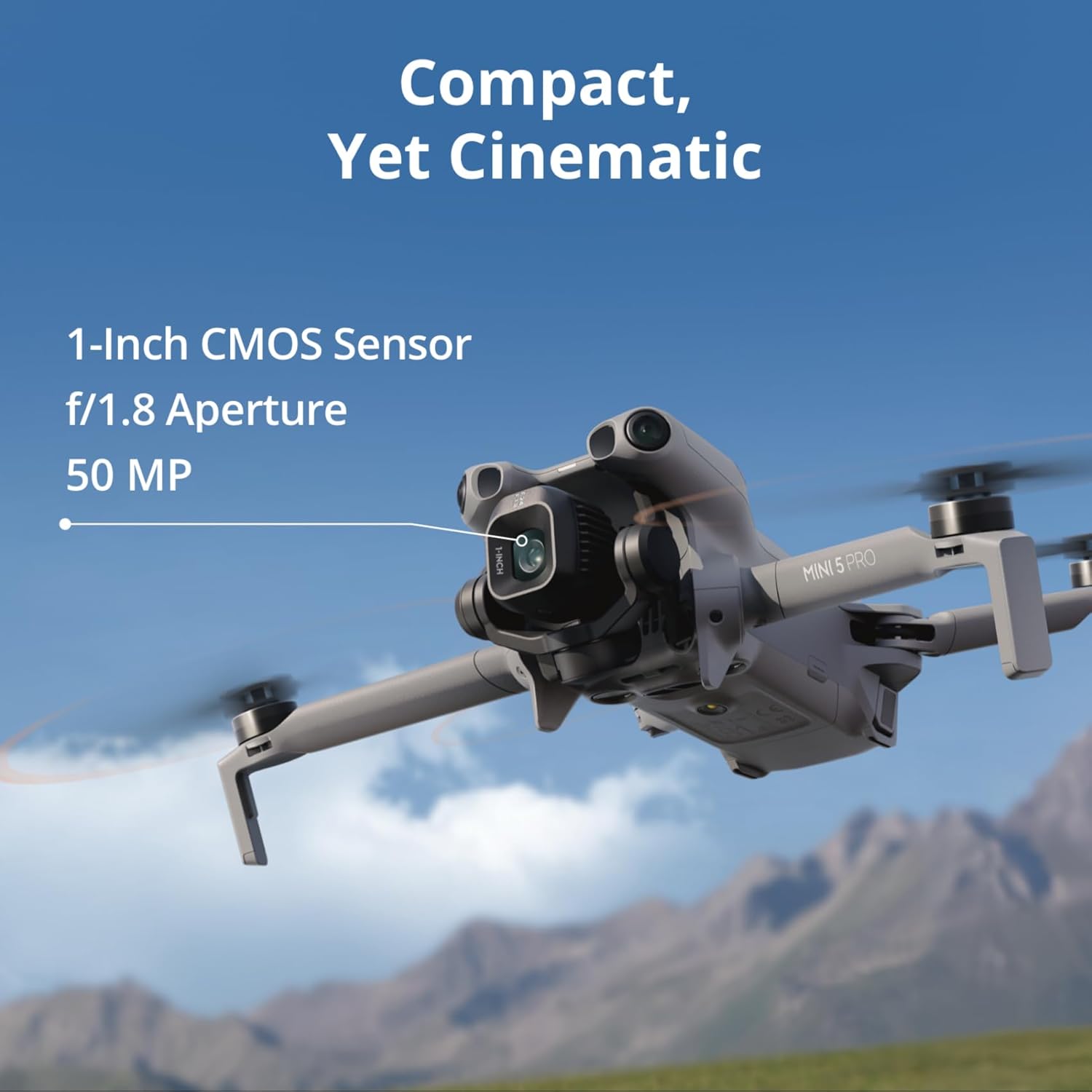


2. For Content Creators & Travelers
If photos and videos matter, the camera becomes king. Prioritize:
- 4K video capability
- 3-axis gimbal (critical for smooth footage)
- Good low-light performance
- Compact, foldable design
Think of the gimbal as your drone’s shock absorbers. Without it, every tiny movement becomes a shaky mess.
3. For Professionals & Serious Filmmaking
Now we’re talking cinematic territory. Expect features like:
- Larger image sensors
- Advanced color profiles
- Longer transmission range
- Higher dynamic range
But remember: spending more doesn’t automatically make you Spielberg. Skills still matter.
4. Best Drone To Buy With Camera: Popular Camera Drones Comparison (2026)
| Drone Model | Best For | Camera Quality | Video | Flight Time | Weight | Approx Price |
|---|---|---|---|---|---|---|
|
DJI Mini 4 Pro |
Everyday All-Rounder | ~48 MP, 1/1.3″ sensor | 4K up to 100 fps | ~34 min | <249g | ~$759 |
|
DJI Air 3S |
Semi-Pro Creators | Dual camera – wide & zoom | 4K up to 120 fps | ~45 min | Medium | ~$1,099 |
|
DJI Mavic 3 Pro |
Professional Videography | Triple-camera with Hasselblad | 5.1K max | ~43 min+ | Large | ~$2,199+ |
| DJI Mini 3 | Beginner Friendly | ~48 MP, 1/1.3″ sensor | 4K up to 30 fps | ~38 min | <250g | ~$419 |
|
Potensic Atom 2 |
Budget-Friendly | ~48 MP, 3-axis gimbal | 4K @ 30 fps | ~32 min | ~249g | ~$270 |
|
DJI Neo |
Social & Travel Shoots | Basic 4K | Lower-level video | ~18 min | Light | ~$156 |
Do I Need a License to Fly a Drone in the USA?
This is the question that trips everyone up. The answer is a classic government two-parter: It depends on why you are flying.
1. The Hobbyist (Recreational) Loophole
If you are just flying for fun—taking cool shots of your hike or flying around the park—you do not need a license. However, you do need to prove you aren’t an idiot. The FAA requires all recreational flyers to take the TRUST test (The Recreational UAS Safety Test). It’s free, takes about 30 minutes, and once you pass, you get a certificate. You must carry this with you when you fly.
2. The Commercial Route (The Part 107)
The moment money enters the equation, the rules change. If you are using drone photos to sell your real estate listings, charging for wedding videos, or even just using a drone to inspect roofs for your construction business, you need a Part 107 Remote Pilot Certificate. This requires passing a more rigorous aeronautical knowledge test at an FAA-approved testing center.
Examples:
- Real estate photos
- YouTube monetized content
- Paid inspections
- Client work

How Much Does a Drone Pilot License Cost?
If you are going the commercial route (Part 107), here is the damage to your wallet:
- The Knowledge Test: You have to take the test at an FAA-approved center. This costs about $175 (paid directly to the testing center).
- Study Materials: You can study for free via FAA resources, or you can pay for a course. Online prep courses range from $100 to $300.
So, for roughly $200-$500, you can get your license. It’s valid for 24 months, after which you need to take a free recurrent online course to renew it.
Is It Illegal to Fly a Drone With a Camera?
Let’s bust this myth wide open. No, it is not illegal to simply fly a drone with a camera.
If that were the case, 90% of the drones listed in PCMag’s “best of” list would be illegal. However, it is illegal to use that camera to spy on people in areas where they have a reasonable expectation of privacy.
Think of it like this: It’s legal to own a camera phone, but it’s illegal to hold it over a changing room stall. The FAA controls the aircraft, but state and local laws (and common decency) control the surveillance. If you’re hovering outside someone’s bedroom window, you aren’t breaking FAA rules—you’re breaking privacy laws and trespassing laws.
Will the FAA Know If I Fly My Drone?
This is the question that keeps new pilots up at night. Are you lighting up on a radar screen somewhere in Oklahoma City?
1. The Short Answer: Yes, they probably can know.
The FAA has rolled out Remote ID. Think of it as a digital license plate for your drone. Since 2024, most drones over 250 grams (and many under) are required to broadcast their location, the pilot’s location, and the drone’s ID while in flight.
2. The Long Answer: Do they care?
If you are flying your Mini 4 Pro 50 feet over your backyard, the FAA is not dispatching a helicopter to get you. Remote ID is primarily a safety and enforcement tool. If a 747 pilot reports a near-miss with a drone at 3,000 feet, law enforcement can look at the Remote ID data logged in that area and figure out exactly who was flying dangerously.
So, yes, the system exists, and if you cause trouble, they will know exactly who you are.
Does the FAA Know If You Fly Above 400 Feet?
If Remote ID is broadcasting your location and altitude, then yes, the data is out there. But again, does the FAA sit there with a “400-foot-buzzer” waiting to go off?
Generally, flying a little over 400 feet by accident isn’t going to trigger a SWAT team. The 400-foot limit is there to keep you separated from manned aircraft (helicopters, small planes) that often fly low.
However, if you decide to punch your mini-drone up to 1,500 feet and buzz a commercial airliner, not only will air traffic control see you on radar (or via a pilot report), but the FAA will pull that Remote ID data, and you will face significant fines. It’s a hard limit for a reason: safety.
Is It Illegal to Fly a Drone in the USA Without Following FAA Rules?
Yes. And penalties can be painful.
Common requirements include:
- Registering drones over 250g
- Following airspace restrictions
- Maintaining a visual line of sight
- Yielding to manned aircraft
Ignoring these rules is like ignoring traffic lights. Eventually, consequences catch up.

Is It Illegal to Fly a Drone in My Backyard?
Generally speaking, yes, you can fly in your backyard.
However, there is a massive caveat: Landing and Takeoff. You own the land, but you don’t own the airspace above it (thanks to centuries-old property law). You have permission to take off and land on your property.
But if you hover 10 feet over your neighbor’s flower bed and they have a privacy fence, you might be violating their privacy or creating a nuisance. You are legally allowed to fly over your yard, but if your neighbor complains, the best practice is to be a good neighbor. Move to a park. Don’t be “that guy” with the drone.
Can I Shoot Down a Drone That Is Spying on My Property?
I know it’s tempting. That buzzsaw sound is annoying, and the idea of a flying camera outside your window is infuriating. But if you are thinking about grabbing your shotgun, please, for the love of all that is holy, DO NOT DO THIS.
Under federal law (specifically 18 U.S.C. § 32), a drone is considered an aircraft. Shooting an aircraft is a federal felony. We’re talking about up to 20 years in federal prison.
But What About That Bill in Congress?
You might have heard about the “Defense Against Drones Act” or similar state laws in Illinois. Some politicians have proposed allowing property owners to shoot down drones.
Important: These are proposed bills. In Illinois, SB1840 is just a proposal. Even if passed at the state level, it would likely be challenged immediately because it directly conflicts with federal law, which always wins.
If you shoot a drone, you’re not just a hero protecting your yard; you’re a felon facing a decade in prison and a lawsuit from the drone owner for destroying their property. Don’t do it. Call local law enforcement and the FAA instead.
Do Drones Need Insurance?
Legally, the FAA doesn’t require you to have insurance to fly a drone under 55 lbs. But that doesn’t mean you shouldn’t have it.
If you are flying commercially (Part 107), most smart clients (like wedding venues or production companies) will require you to have liability insurance before you set foot on their property.
If you are a hobbyist, imagine your $500 drone falls out of the sky, hits a brand new Tesla, and puts a dent in the roof. Without insurance, that repair bill is coming out of your pocket. Liability insurance for hobbyists can be as cheap as $5 to $10 a month through organizations like the AMA. It’s peace of mind that you can afford a mistake.

Conclusion
Best Drone To Buy With Camera – Drones are the most fun you can have with your feet on the ground, but they come with a rulebook that grows thicker every year. Whether you’re dropping $1,000 on the latest DJI or just trying to figure out if you can fly over your cornfield, the golden rules remain: respect privacy, stay under 400 feet, and for goodness’ sake, keep the shotgun in the closet.
Fly safe, fly smart, and keep your camera rolling.
FAQs About Best Drone To Buy With Camera
Can I fly a drone anywhere in the USA?
No. Airspace restrictions, national parks, controlled zones, and temporary flight restrictions limit where you can fly.
Do I need FAA approval for recreational flying?
Not usually, but you must follow FAA rules and pass TRUST. Controlled airspace may require authorization.
Can police track my drone?
They don’t constantly track hobby flights, but investigations and Remote ID systems can reveal drone information when needed.
Is flying at night legal?
Yes, but rules apply. Proper lighting and certification requirements may be necessary depending on flight type.
What happens if I break FAA rules?
Penalties range from warnings to significant fines. Severe violations can carry serious consequences.
Do I need to register my drone with the FAA?
Yes, if your drone weighs more than 0.55 lbs (250g). This includes most popular camera drones. Registration costs $5 and is valid for 3 years. You must mark your drone with the registration number before flying . If you buy a "Mini" drone (like the DJI Flip or Mini 4 Pro) that is under 250g, you do not need to register it for recreational use—but you still need to take the TRUST test.
Can I fly my drone over a police station or prison?
Generally, no. Many prisons, military bases, and critical infrastructure facilities (like power plants) have permanent flight restrictions over them. Flying over a police station might also be restricted if they are conducting operations. Always check the FAA's B4UFLY app before taking off to see if you are in restricted airspace.
What happens if my drone flies away or I lose signal?
Modern drones (DJI, Autel, Potensic) are incredibly smart. If they lose signal from the remote or the battery gets critically low, they will initiate a "Return to Home" (RTH) procedure. The drone will automatically climb to a preset altitude and fly back to the takeoff point. However, this only works if you set the home point correctly before launching!
What is the difference between "TRUST" and "Part 107"?
TRUST is for hobbyists. It's a free, online, easy test that proves you understand basic safety. You get a certificate but it's not a license.
Part 107 is for commercial pilots. It requires a $175 in-person test, a background check by the TSA, and gives you a legal license to make money with your drone .
Can my neighbor sue me for flying a drone over their house?
Yes, they can. While the airspace is federally regulated, your neighbor has legal standing to sue you for nuisance, harassment, or invasion of privacy if you are persistently hovering over their property, especially at low altitudes. While it's not an FAA violation, it could cost you in civil court.
| Drone Collections | |
|---|---|
 |
 |
| View Amazon Discounts | View Walmart Discounts |
You Might Also Like



